Living in a small house doesn’t mean sacrificing style or comfort. In fact, with the right strategies, compact spaces can be transformed into elegant, functional homes that feel much larger than their square footage suggests. If you’ve ever wondered how to decorate a small house without making it feel cluttered or cramped, this guide offers expert advice to help you optimize every inch while creating a beautiful, cohesive environment.
Why Is It Important to Decorate Small Homes Elegantly?
Small houses often pose unique challenges—limited storage, narrow rooms, and fewer design options. However, thoughtful decoration can maximize available space and improve your quality of life. Elegant decor in tiny homes enhances visual appeal, promotes organization, and provides a welcoming atmosphere. It also increases property value and makes day-to-day living more enjoyable.
By mastering how to decorate a small house, you not only make your space more livable but also create a home that reflects your personality and style. Let’s explore practical, expert tips that will help you transform any small house into a stylish retreat.
How Can You Use Color to Expand Your Space Visually?
Color plays a crucial role in making small rooms appear larger and more inviting. Light, neutral tones such as soft whites, pale grays, and muted pastels reflect natural light better, creating an airy feel. Conversely, darker colors tend to absorb light and can make a space feel more confined.
Expert Tip: Consider using a monochromatic color scheme to add depth without breaking up the space visually. For example, painting walls, trim, and furniture in varying shades of the same color can unify the room and trick the eye into perceiving more space.
Accent Walls and Color Pops
While light colors dominate, adding an accent wall with a bold, yet tasteful color or wallpaper can add personality without overwhelming the room. Choose one wall—perhaps behind the sofa or bed—to create a focal point that draws attention and adds interest.
What Furniture Choices Work Best in Small Houses?
Furniture selection is arguably the most impactful factor in small house decoration. Bulky, oversized pieces consume valuable floor space and hinder movement. Instead, opt for multi-functional and appropriately scaled furniture to maintain openness.
- Multi-Purpose Furniture: Sofas with storage compartments, fold-out beds, and extendable dining tables help you save space while maintaining functionality.
- Leggy Furniture: Pieces with exposed legs create a sense of openness by allowing light and sightlines to pass beneath.
- Transparent Materials: Acrylic or glass tables take up visual space but don’t obstruct views, keeping areas feeling light.
- Vertical Storage: Tall bookcases and wall-mounted shelves use vertical space effectively, freeing up floors.
Case Study: A small 500-square-foot home in Seattle incorporated a sofa bed with hidden storage and a floating desk, allowing the living area to serve multiple functions without overcrowding.
How to Maximize Natural and Artificial Lighting?
Lighting dramatically affects how space feels. Natural light expands rooms, while poor lighting can make even large spaces feel dull and cramped.
- Window Treatments: Use sheer curtains or blinds that can be fully retracted to maximize daylight.
- Mirrors: Strategically place mirrors opposite windows to reflect light and create an illusion of depth.
- Layered Lighting: Combine ambient (ceiling lights), task (desk lamps), and accent lighting (wall sconces) to create a balanced, inviting atmosphere.
Pro Tip: Install dimmer switches to adjust lighting based on mood and time of day, adding both comfort and sophistication.
Which Decorative Elements Enhance Small Spaces Without Cluttering?
Decor should complement the space, not overwhelm it. Choosing the right accessories can add character and warmth.
- Area Rugs: Use rugs to define zones in open-plan spaces, but keep patterns simple to avoid visual chaos.
- Artwork: Opt for a few large pieces instead of many small frames to keep walls clean and stylish.
- Plants: Small potted plants or hanging planters add freshness and life without taking up much space.
- Minimalist Decor: Select meaningful items that reflect your style instead of cluttering surfaces with numerous knick-knacks.
How to Organize Storage Efficiently in Small Homes?
Clutter is the enemy of small spaces, so smart storage solutions are essential. Here are some actionable steps:
| Storage Idea | Description | Benefit |
|---|---|---|
| Under-Bed Storage | Use flat containers or drawers beneath the bed. | Keeps items out of sight and frees closet space. |
| Built-In Cabinets | Custom shelving integrated into walls. | Maximizes vertical space and keeps floors clear. |
| Hooks and Pegboards | Mount on walls for hanging bags, keys, or kitchen tools. | Utilizes unused wall space for easy access. |
| Multi-Compartment Furniture | Ottomans or benches with hidden storage. | Combines seating with organization. |
Can Layout Changes Make a Small House Feel Larger?
Absolutely. The way you arrange furniture significantly influences the perception of space. Open layouts encourage flow and reduce visual barriers. Avoid blocking pathways and windows with large pieces.
Actionable Step: Try floating furniture away from walls in small clusters to create conversation areas while maintaining openness. Use rugs to anchor these zones without crowding the room.
What Role Do Textures and Patterns Play?
Subtle textures add warmth and dimension. For example, a velvet throw or a woven basket can enrich a room’s tactile experience. Patterns should be used sparingly; geometric or organic prints on cushions or curtains can enliven the space without overwhelming it.
Summary and Next Steps
Learning how to decorate a small house elegantly involves a blend of smart color choices, functional furniture, effective lighting, and clutter-free organization. By embracing these expert tips, you can create a home that not only looks sophisticated but also supports your daily needs.
Start by assessing your space and prioritizing multi-purpose furniture and light color palettes. Incorporate storage solutions tailored to your lifestyle and experiment with lighting layers. Remember, less is often more when dealing with small spaces.
Ready to transform your tiny home? Begin with one room at a time, applying these tips, and watch your small house become a stylish, comfortable haven. For personalized advice, consider consulting with an interior designer who specializes in small-space living.

From Fear to Connection: Healing Intimacy in Relationships

How to Decorate a Small House with Style and Function
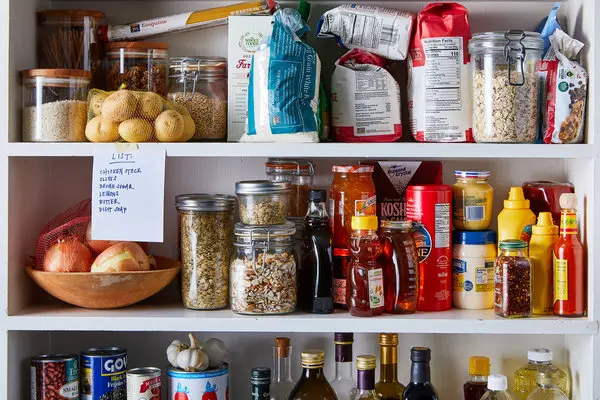
Pantry Organization Ideas to Refresh Your Kitchen Space
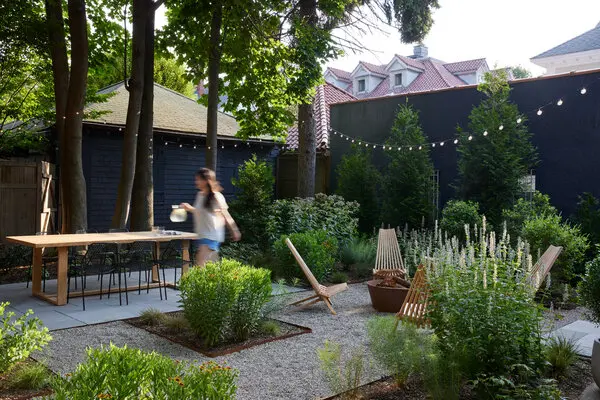
Turn Your Home and Garden into Eco-Friendly Spaces
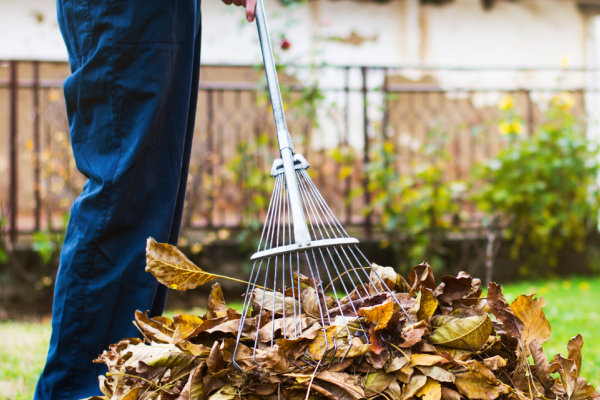
The Ultimate Seasonal Cleaning Guide for Home and Garden
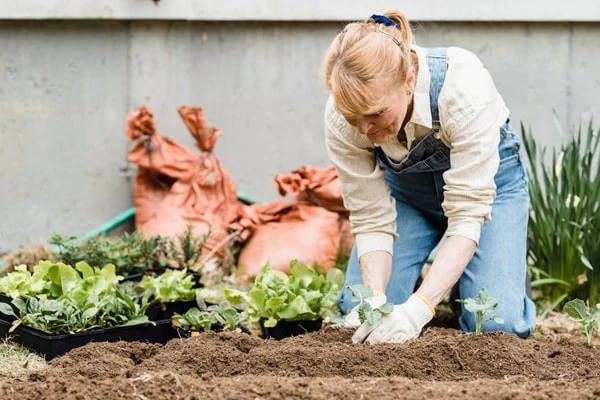
Mastering the Seasons: A Year-Round Gardening Guide

Opportunities: How to Build a Successful Career at Costco

The Pros and Cons of Finding Love Online

Digital Chemistry: Can Real Love Start on a Dating App?