Gardening is more than a hobby; it’s a rewarding journey that connects us to nature’s rhythms. Yet, without a clear plan, even the most enthusiastic gardeners can face frustration when plants don’t thrive as expected. This is where a well-structured gardening calendar becomes invaluable. By mastering the seasons and understanding what tasks to perform throughout the year, you can transform your garden into a flourishing sanctuary no matter the climate or space. In this comprehensive guide, you’ll discover how to align your gardening activities with the changing seasons to ensure success all year round.
Why Use a Gardening Calendar?
Timing is everything in gardening. A gardening calendar helps you organize planting, maintenance, and harvesting tasks in harmony with seasonal cycles. It prevents common mistakes such as planting too early or neglecting crucial care periods. Moreover, it enhances productivity by spreading tasks evenly, avoiding overwhelm, and maximizing yields. Whether you grow vegetables, flowers, or herbs, a seasonal calendar empowers you to anticipate weather changes, pest cycles, and growth stages.
Breaking Down the Gardening Calendar by Seasons
Each season brings unique opportunities and challenges. Let’s explore the key gardening activities for spring, summer, autumn, and winter.
Spring: The Season of Renewal and Planting
Spring is when your garden awakens. Soil warms up, daylight increases, and plants shift into growth mode. It’s the ideal time for sowing seeds and preparing beds.
- Early Spring (March to April): Start indoor seed trays for tomatoes, peppers, and herbs. Prepare garden beds by clearing debris and adding compost to enrich soil nutrients.
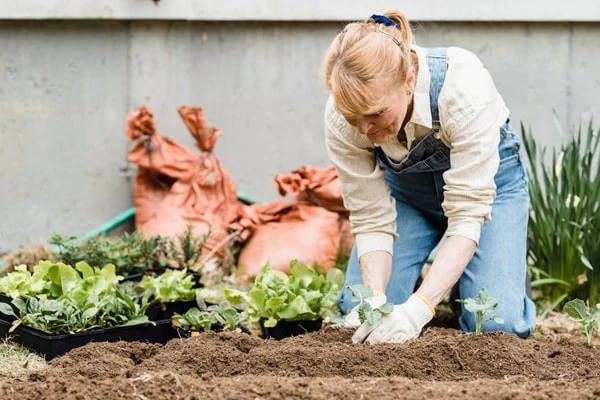
- Mid to Late Spring (April to May): Transplant seedlings outdoors after the last frost date. Direct sow cool-season crops like lettuce, spinach, and peas. Begin pruning spring-flowering shrubs once blooms fade.
- Maintenance Tips: Regularly water new plants, mulch to retain moisture, and monitor for pests such as aphids and slugs.
Summer: Growth and Maintenance Peak
Summer demands vigilant care as plants reach their full growth. It’s a period to focus on watering, pest control, and harvesting early crops.
- Early Summer (June to July): Keep soil moist, especially during heatwaves, but avoid waterlogging. Stake tall plants like tomatoes and beans to prevent damage.
- Mid to Late Summer (July to August): Harvest fruits and vegetables regularly to encourage continuous production. Deadhead flowers to prolong blooming.
- Pest and Disease Management: Watch for signs of fungal diseases and insect infestations. Use organic treatments such as neem oil or introduce beneficial insects like ladybugs.
Autumn: Preparing for Rest and Renewal
As temperatures cool, the garden shifts focus toward maintenance and preparation for the dormant season.
- Early Autumn (September to October): Plant bulbs for spring flowering, such as tulips and daffodils. Sow cover crops like clover to improve soil health.
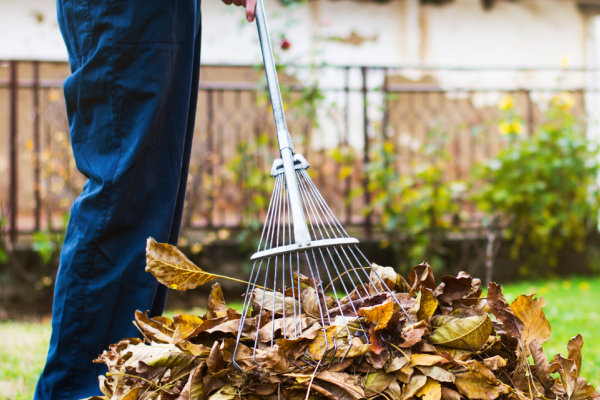
- Mid to Late Autumn (October to November): Clear fallen leaves and debris to prevent diseases. Prune summer-flowering shrubs after they finish blooming.
- Soil Care: Add mulch or compost layers to protect soil over winter and enrich it for the next growing season.
Winter: Rest, Planning, and Protection
Winter is often seen as downtime, but it’s vital for garden longevity and planning.
- December to February: Protect vulnerable plants with frost cloths or mulch. Prune deciduous trees and shrubs during dormancy to shape growth and remove dead wood.
- Planning Ahead: Use this quieter period to plan next year’s garden layout, order seeds, and repair tools.
- Indoor Gardening: Consider growing herbs or microgreens indoors to maintain greenery and fresh produce during colder months.
How to Customize Your Gardening Calendar
Gardens vary widely depending on location, climate, and plant types. Here are practical steps to tailor a gardening calendar that fits your unique situation.
1. Know Your Zone
Use your USDA hardiness zone or local climate data to determine frost dates and temperature ranges. This knowledge guides when to plant and protect sensitive species.
2. Choose Suitable Plants
Select plants adapted to your climate and soil. For example, Mediterranean herbs thrive in dry summers, while leafy greens prefer cooler, moist conditions.
3. Track Local Weather Patterns
Keep a journal or use apps to monitor rainfall, temperature fluctuations, and pest outbreaks. Adjust your gardening tasks accordingly.
4. Use a Visual Calendar
Create a monthly chart or use digital tools to schedule seed starting, transplanting, pruning, and harvesting. Include reminders for fertilizing and pest control.
| Month | Key Tasks | Examples |
|---|---|---|
| March | Seed starting indoors, soil preparation | Start tomatoes, prepare beds with compost |
| June | Watering, staking, pest monitoring | Stake tomatoes, apply organic pest control |
| September | Plant bulbs, sow cover crops | Plant tulips, sow clover |
| December | Prune dormant plants, plan next season | Prune roses, order seeds |
What Are Common Mistakes to Avoid When Using a Gardening Calendar?
- Ignoring Local Climate Variations: Relying solely on standard dates without adjusting for microclimates can cause early planting failures.
- Overloading Tasks: Trying to do too much in one season leads to burnout and neglected plants.
- Neglecting Soil Health: Focusing only on planting without enriching and protecting soil reduces long-term productivity.
- Forgetting Pest Cycles: Not anticipating pest emergence can result in infestations that damage crops.
Real-Life Success: A Mini Case Study
Linda, a suburban gardener in zone 6, struggled with inconsistent harvests. By adopting a gardening calendar tailored to her last frost date in mid-April, she started seeds indoors in March and transplanted in late April. She scheduled weekly watering during summer and mulched in autumn. This structured approach resulted in a 30% increase in vegetable yield and healthier plants over two seasons.
Conclusion: Take Control of Your Garden’s Rhythm
Mastering the seasons through a comprehensive gardening calendar transforms your approach from reactive to proactive. By aligning your tasks with seasonal needs, you not only improve plant health and yields but also enjoy a more manageable and fulfilling gardening experience. Start by understanding your local climate, planning your activities month by month, and adjusting as you learn. Your garden will thank you with vibrant blooms and bountiful harvests year after year.
Ready to cultivate success in your garden all year long? Begin crafting your personalized gardening calendar today and watch your green space thrive through every season!
The Ultimate Seasonal Cleaning Guide for Home and Garden
Mastering the Seasons: A Year-Round Gardening Guide

Opportunities: How to Build a Successful Career at Costco

The Pros and Cons of Finding Love Online

Digital Chemistry: Can Real Love Start on a Dating App?

Tech Innovations Revolutionizing Athletic Performance

E-Sports Evolution: The Global Rise of Competitive Gaming

Mind Matters: Prioritizing Mental Health in Athletics

Breaking Barriers: The Growing Popularity of Women’s Sports