In a world where instant gratification often dominates our expectations, the concept of a slow burn relationship might seem almost countercultural. Yet, this approach to love—where connections deepen gradually over time—can offer a richer, more resilient bond between partners. Understanding the beauty of a slow burn relationship not only challenges the fast-paced norms but also invites us to cultivate intimacy in a meaningful, lasting way. This article explores the essence of slow-burning romances, why they matter, and practical guidance for nurturing deeper connections that stand the test of time.
What Is a Slow Burn Relationship?
A slow burn relationship unfolds gradually, emphasizing steady growth rather than rapid passion. Unlike whirlwind romances, these relationships develop through consistent effort, shared experiences, and patient understanding. The connection strengthens as partners learn about each other’s values, dreams, and vulnerabilities over months or even years, creating a foundation of trust and emotional safety.
While quick attractions often ignite fast, they can sometimes fizzle just as rapidly. In contrast, a slow burn relationship allows both individuals to evolve alongside one another, resulting in a bond that is both deep and adaptable.
Why Does the Slow Burn Approach Matter?
Choosing to build a relationship slowly has several advantages. Here are some key reasons why this approach is valuable:
- Deeper emotional intimacy: Taking time to understand each other’s inner worlds fosters empathy and compassion.
- Stronger communication: Gradual progress encourages honest conversations and conflict resolution skills.
- Realistic expectations: Partners avoid idealizing each other prematurely, seeing one another more authentically.
- Lasting commitment: The foundation built over time is more resilient to external pressures and challenges.
Research suggests that couples who develop their relationships slowly tend to report higher satisfaction and stability. This is because the slow process allows for the natural integration of personalities and life goals, reducing the likelihood of surprises that can cause friction later.
How Does a Slow Burn Relationship Develop Over Time?
Slow burn relationships typically evolve through identifiable stages. Understanding these phases can help partners appreciate the journey and stay patient during moments of uncertainty.
| Stage | Characteristics | Timeframe (Approximate) |
|---|---|---|
| Initial Curiosity | Mutual interest, light conversations, cautious exploration | Weeks to 1 month |
| Building Trust | Sharing personal stories, testing reliability, growing comfort | 1 to 3 months |
| Emotional Deepening | Discussing values, fears, and dreams; increased vulnerability | 3 to 6 months |
| Commitment and Integration | Planning future together, blending social circles, solidifying routines | 6 months and beyond |
Each stage builds on the last, reinforcing the relationship’s foundation. Unlike rapid romances that may jump quickly from attraction to commitment, slow burn relationships honor the natural pace of emotional connection.
What Are the Practical Benefits of a Slow Burn Relationship?
Beyond emotional depth, slow burn relationships offer tangible benefits in day-to-day life:
- Better conflict management: Gradual familiarity fosters patience and understanding during disagreements.
- Increased self-awareness: Partners learn to reflect on their needs and boundaries clearly.
- Healthier attachment: Slow development reduces anxiety and fear of abandonment.
- Stronger friendship foundation: Couples often report feeling like best friends, which promotes longevity.
For example, couples who spend 6 to 12 months or more cultivating their relationship before significant commitments often exhibit higher levels of satisfaction and lower divorce rates, according to several relationship studies.
How Can You Cultivate a Slow Burn Relationship?
Fostering a slow burn connection requires intention and mindfulness. Here are actionable steps to encourage gradual, meaningful growth:
- Prioritize quality conversations: Go beyond surface topics to explore values, goals, and emotions.
- Practice active listening: Show genuine curiosity and refrain from rushing to conclusions.
- Allow space for individuality: Respect each other’s pace and personal growth without pressure.
- Celebrate small milestones: Recognize progress in trust and intimacy, no matter how subtle.
- Engage in shared experiences: Try new activities together that encourage teamwork and bonding.
For instance, setting aside one evening a week for “connection time” without distractions can nurture communication and deepen understanding. Over time, these intentional moments accumulate into a stronger emotional bank account.
What Challenges Might You Face?
While slow burn relationships have many benefits, they also come with challenges:
- External pressure: Friends or family may urge faster progression.
- Self-doubt: One or both partners might question the relationship’s viability due to the slow pace.
- Impatience: In a culture valuing speed, waiting can feel frustrating.
Addressing these challenges openly is essential. Partners should reaffirm their commitment to the process and communicate their feelings honestly.
How Does a Slow Burn Relationship Compare to Fast-Paced Romances?
Fast-paced relationships often involve quick emotional highs and rapid milestones, which can be thrilling but risky. In contrast, slow burn relationships emphasize stability and depth over excitement. Here’s a brief comparison:
| Aspect | Slow Burn Relationship | Fast-Paced Romance |
|---|---|---|
| Emotional Development | Gradual, steady | Rapid, intense |
| Trust Building | Careful, deliberate | Assumed early |
| Conflict Resolution | More practiced, patient | Often reactive |
| Relationship Longevity | Generally higher | Variable, sometimes shorter |
| Intensity | Moderate, sustainable | High, sometimes overwhelming |
While neither approach is inherently superior, recognizing the strengths and limitations of each can help individuals choose the path that aligns with their values and relationship goals.
Can a Slow Burn Relationship Become Passionate?
Absolutely. A common misconception is that slow burn relationships lack passion or excitement. In reality, passion can grow and deepen as emotional intimacy strengthens.
Think of it like a fire that starts with gentle warmth and grows into a roaring blaze. The sustained connection often leads to a more fulfilling and consistent physical and emotional passion than fleeting infatuation.
Summary and Next Steps
The beauty of a slow burn relationship lies in its ability to cultivate profound connections that withstand time and adversity. By embracing patience, open communication, and genuine curiosity, partners can build a resilient bond filled with trust, respect, and heartfelt intimacy.
If you are currently in a relationship or starting a new connection, consider slowing down your pace. Focus on meaningful conversations, shared experiences, and gradual trust-building. This intentional approach not only enriches your bond but also lays the groundwork for a lasting, fulfilling partnership.
Ready to nurture your slow burn relationship? Start today by setting aside dedicated time to connect deeply with your partner. Remember, the most meaningful flames often begin with a gentle spark and grow steadily into enduring warmth.
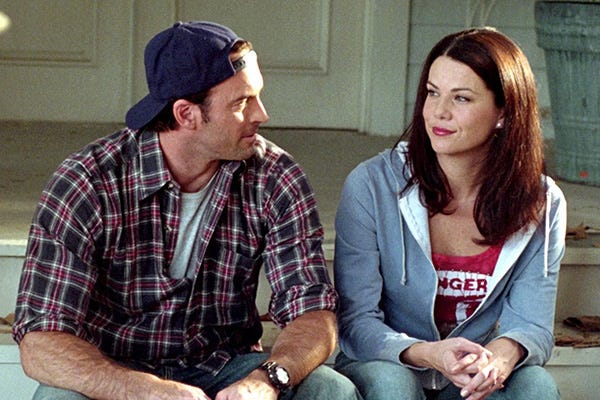
Slow-Burn Relationships: Growing Love Over Time

Deepen Your Connection: 15 Questions for Couples

Subtle Red Flags in Dating: Signs You Shouldn’t Ignore

From Fear to Connection: Healing Intimacy in Relationships

How to Decorate a Small House with Style and Function
Pantry Organization Ideas to Refresh Your Kitchen Space
Turn Your Home and Garden into Eco-Friendly Spaces
The Ultimate Seasonal Cleaning Guide for Home and Garden
Mastering the Seasons: A Year-Round Gardening Guide